
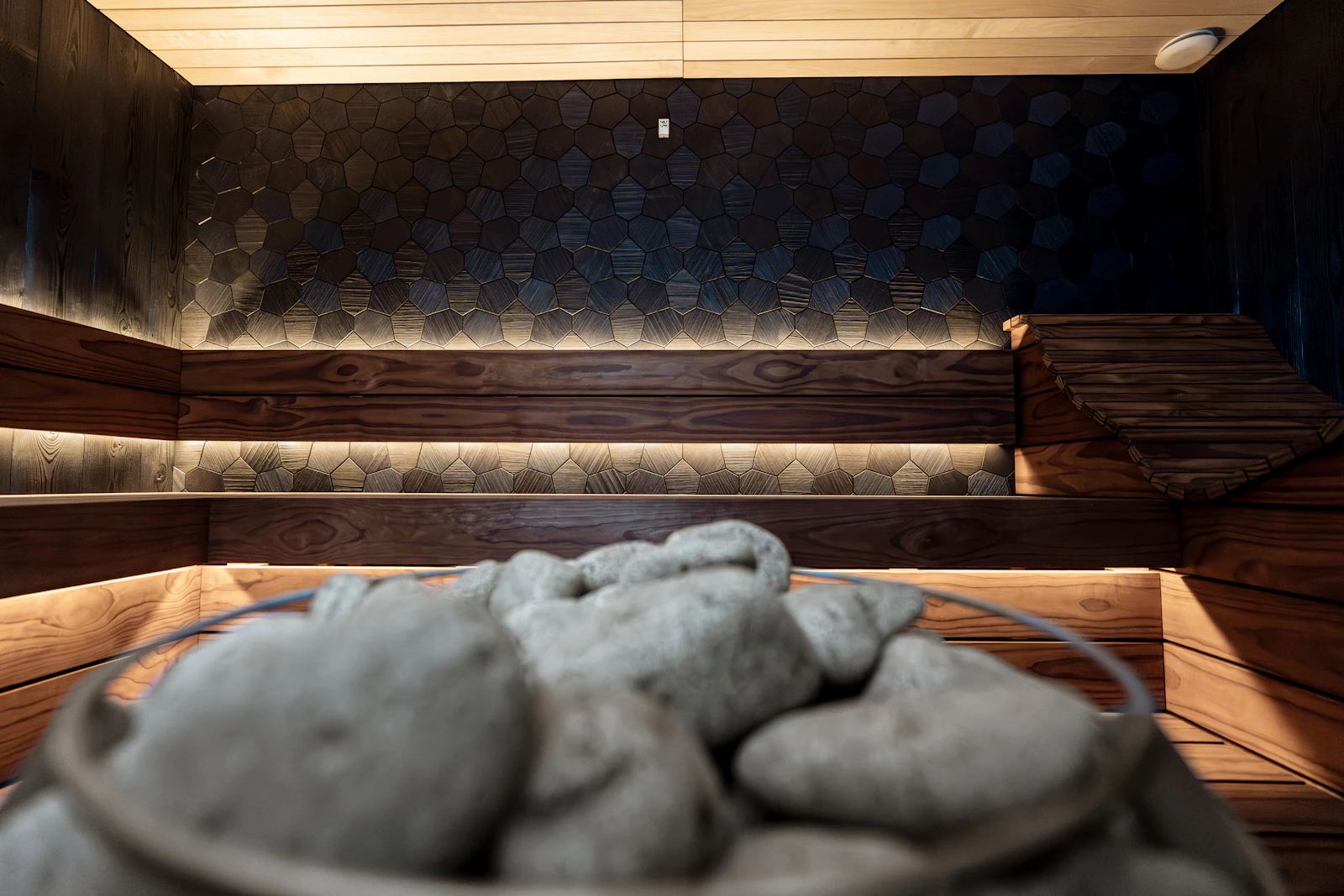
Why Spa Flooring Design and Surface Finishes Define the Wellness Experience
There is a moment every guest recognizes — stepping barefoot onto a smooth, seamless floor, breathing in the quiet, and feeling, almost immediately, that the space itself is doing part of the work. That sensation is not accidental. It is the result of deliberate material choices made long before the first candle was lit or the first guest checked in. As luxury hotels and resorts across the Philippines continue to integrate full-scale wellness facilities — from thermal pools and hammams to private treatment suites and meditation lounges — the demand for spa flooring design and wellness interior coatings that perform as beautifully as they look has never been more urgent.
By 2026, wellness tourism is projected to be one of the fastest-growing segments of the global hospitality industry, with Southeast Asia — and the Philippines in particular — capturing an expanding share of that market. For architects, interior designers, and property developers working on hotel spas, resort wellness centers, and luxury residences, the specification of surface finishes is no longer a secondary consideration. It is a core design decision that directly impacts guest satisfaction, maintenance costs, and the longevity of the investment.
This article explores how the right coating systems can transform a spa environment, balancing the calming, organic aesthetic that wellness spaces demand with the durability required to withstand high humidity, constant moisture exposure, and rigorous daily cleaning protocols.
The Unique Demands of Wellness Interior Coatings
Spa environments are among the most demanding interiors a coating system will ever face. The combination of high ambient humidity, temperature fluctuations between steam rooms and air-conditioned corridors, chemical exposure from cleaning agents, and the constant presence of water creates conditions that will expose the weaknesses in any material not specifically suited to the task.
At the same time, the aesthetic requirements are exacting in the opposite direction. Wellness spaces are designed to reduce visual noise — to strip away complexity and create surfaces that feel natural, grounded, and serene. Grout lines, visible joints, and busy patterns work against this goal. The material language of a contemporary spa is one of continuity, softness, and restraint.
This creates a dual specification challenge: the surface must be technically resilient and visually calm — and those two qualities must coexist without compromise.
Humidity, Moisture, and Chemical Resistance
In a tropical climate like the Philippines, even the corridors adjacent to spa facilities can experience elevated humidity levels. Treatment rooms, wet lounges, shower areas, and pool surrounds operate in near-constant moisture conditions. Surface coatings must be vapor-permeable enough to avoid trapped moisture beneath the substrate, yet sealed sufficiently to resist penetration and microbial growth. Cleaning protocols in accredited wellness facilities often involve commercial-grade disinfectants applied multiple times daily — a regime that will degrade coatings not formulated for chemical resistance over time.
Thermal Cycling and Substrate Movement
Steam rooms, saunas, and plunge pools create localized thermal stress that causes substrates to expand and contract. Rigid, brittle surface materials — including many traditional tiles — are vulnerable to cracking under these conditions. Seamless coating systems that bond integrally with the substrate and flex with minor movement offer a significant technical advantage in these zones.
Seamless Spa Floors: The Case for Microcement
Among the most significant shifts in hotel spa finishes over the past decade has been the move away from tiled floors toward seamless flooring systems. The reasons are both aesthetic and practical. Grout lines — even when freshly cleaned — introduce a visual complexity that works against the minimalist language of contemporary wellness design. More critically, grout is porous, difficult to sanitize completely, and prone to discoloration in wet environments. In a spa context, where hygiene standards are paramount and visual tranquility is the goal, grout lines represent a liability on both fronts.
Seamless flooring systems eliminate this problem entirely. Microcement — a trowel-applied, polymer-modified coating system — has become one of the preferred solutions for spa flooring design in premium hospitality projects. Applied at 2–3mm thickness directly over prepared substrates, microcement creates a continuous, grout-free surface that reads as a single unbroken plane. Its seamless nature makes it not only easier to clean but also dramatically more effective at communicating the calm, uninterrupted aesthetic that spa designers are working toward.
Available in both Course and Fine textures, microcement can be calibrated to the specific requirements of each zone within a wellness facility. Fine texture finishes are well-suited to treatment rooms, private bathrooms, and relaxation lounges where the surface will be viewed and touched at close range. Course textures provide additional slip resistance for wet areas such as shower floors, pool surrounds, and outdoor walkways connecting wellness pavilions — a critical safety consideration in any commercial spa environment.
Microcement performs reliably across both indoor and outdoor applications, making it a versatile specification for integrated resort wellness facilities where the boundary between interior and exterior is deliberately blurred. A seamless floor that flows from an interior relaxation lounge through glazed doors onto a shaded outdoor terrace creates a spatial continuity that reinforces the wellness narrative — and microcement is one of the few coating systems capable of delivering that continuity without a visible material transition. Explore floor application possibilities to understand the full range of surfaces where this system can be deployed.
Microcement in Wet Areas: What Designers Need to Know
For shower areas, steam room floors, and other fully wet zones, microcement must be applied over a properly waterproofed substrate. The coating itself provides a sealed surface layer, but the waterproofing membrane beneath is a non-negotiable component of the system in any area subject to standing water or direct water immersion. Specifying microcement without the correct waterproofing substrate in wet zones is one of the most common — and costly — errors in spa fit-out projects. Working with experienced applicators who understand the full system, not just the visible finish coat, is essential to a successful outcome.
Luxury Bathroom Surfaces: Polished Walls That Elevate the Experience
The floor is only one dimension of the spa surface palette. Walls — in treatment rooms, private bathrooms, wet lounges, and hotel spa lobbies — carry equal weight in establishing the character of the space. In luxury spa environments, wall finishes are increasingly being used as a primary design statement: a surface that rewards close inspection, changes subtly with shifting light, and communicates quality through its depth and tactile richness.
Polished wall coating systems have emerged as one of the defining finishes in premium wellness interiors. Where traditional paint or wallcovering reads as flat and static, a polished plaster-style finish introduces movement, luminosity, and a sense of materiality that transforms a wall from a background element into a considered design feature.
Liquid Polish — TechStone's Venetian plaster-style coating — delivers this quality with exceptional precision. Its mirror-like polished finish creates reflective wall surfaces that interact dynamically with spa lighting, amplifying the soft, layered illumination that wellness designers favor. In a hotel spa lobby or a premium treatment suite, Liquid Polish walls achieve the kind of quiet luxury that photographs well but — more importantly — feels extraordinary in person.
For luxury bathroom surfaces, Liquid Polish is particularly effective in dry zones adjacent to shower areas: feature walls in open-plan bathroom suites, accent walls in relaxation rooms, and reception areas within the spa facility. Its application is best suited to interior environments where moisture exposure is controlled — a specification consideration that directs it toward walls rather than wet-zone surfaces, where microcement's sealed, moisture-resistant system is the more appropriate choice.
Layering Finishes for Spatial Depth
The most sophisticated spa interiors in contemporary Philippine hospitality design do not rely on a single surface finish throughout. Instead, they layer materials — using the contrast between a seamless, matte microcement floor and a luminous, polished wall finish to create spatial depth and guide the guest's perception through different zones of the facility. A matte floor grounds the space and feels tactile underfoot. A polished wall reflects light and draws the eye upward, making the room feel larger and more luminous. Together, they create a sensory environment that operates on multiple levels simultaneously.
This approach — specifying different coating systems for different surfaces and zones within the same space — requires a thorough understanding of each product's technical parameters and aesthetic register. It is the kind of nuanced material specification that distinguishes a truly exceptional spa interior from one that is merely well-finished.
Hotel Spa Finishes: Designing for Longevity, Not Just Opening Day
One of the most important — and most frequently overlooked — considerations in spa interior specification is the lifecycle of the finish. A surface that looks stunning at opening but requires significant remediation within two years represents a false economy, particularly in a commercial hospitality context where spa facilities operate year-round, often seven days a week.
Durability in spa environments is determined by several factors: the inherent properties of the coating system, the quality of the substrate preparation, the competence of the application, and the appropriateness of the ongoing maintenance regime. Premium coating systems like microcement and Liquid Polish are formulated to perform over extended lifecycles when correctly specified and maintained — but they are not maintenance-free. Establishing clear cleaning protocols that are appropriate to each surface type, and briefing operations teams on those protocols before handover, is an essential step in protecting the design investment.
For property developers and hotel operators commissioning new spa facilities, specifying coatings from manufacturers with documented commercial track records in hospitality environments — and with local technical support in the Philippines — significantly reduces project risk. Browse completed projects to see how these systems have been applied across hotel, resort, and commercial wellness settings.
Maintenance Considerations for Seamless Systems
Seamless coatings are inherently easier to clean than tiled surfaces, but they require compatible cleaning products. Highly acidic or abrasive cleaners can damage the surface sealer on microcement over time, dulling the finish and reducing the coating's resistance to moisture penetration. Specifying pH-neutral cleaning agents and training housekeeping staff on appropriate techniques is not an operational afterthought — it is part of the design specification for any premium spa surface.
Looking Ahead: Wellness Interior Coatings in 2026 and Beyond
The trajectory of wellness design in Philippine luxury hospitality is clear. As guests become more sophisticated in their expectations and more discerning in their ability to recognize quality — not just visually, but through the feel, the smell, the sound of a space — the pressure on designers and specifiers to deliver interiors that perform at the highest level will only intensify.
Surface finishes are the primary medium through which that quality is communicated. The weight of a polished wall, the seamless continuity of a microcement floor, the way a surface handles light at different times of day — these are the details that separate a spa that guests remember from one they simply use. In an industry where the experience is the product, the coating is never just a coating.
For architects and designers working on hotel spas, resort wellness centers, and luxury bathroom surfaces in 2026, the specification conversation begins not with aesthetics alone, but with a clear-eyed understanding of what the surface must do — technically, experientially, and over the full lifecycle of the facility. Getting that specification right, from substrate to finish coat, is what makes a wellness interior truly restorative.