
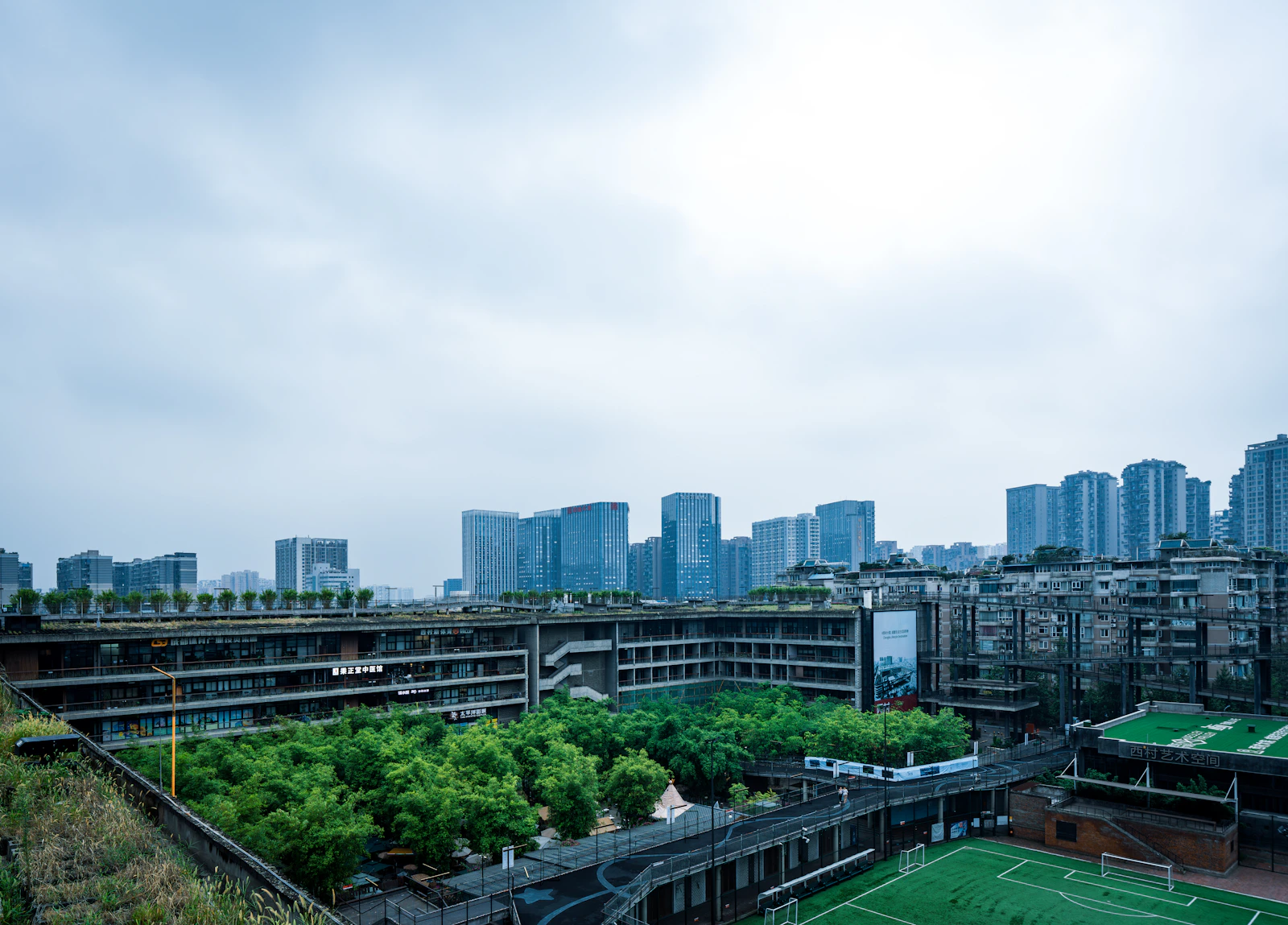
Rooftop Coating Systems: Where Design Meets the Elements
The rooftop has become one of the most coveted real estate assets in Philippine commercial development. From infinity-edge bars perched above Bonifacio Global City to sky gardens crowning resort condominiums in Cebu, developers are racing to monetize every square meter of elevation. But for every stunning aerial concept that makes it into a brochure, there is an architect quietly wrestling with a more urgent question: what coating system can actually survive up there?
The conditions on a Philippine rooftop are unforgiving by any global standard. Surfaces face relentless UV radiation at near-equatorial intensity, monsoon-season rainfall that can exceed 400mm in a single month, salt-laden air in coastal cities, and the mechanical wear of commercial foot traffic operating seven days a week. Decorative coatings that perform beautifully at ground level often fail within eighteen months when exposed to this compounded stress at height. The result is costly remediation, operational downtime, and a guest experience that no longer matches the original design vision.
This post explores the performance criteria, design principles, and coating solutions that allow architects and developers to create rooftop venues and sky gardens that remain as compelling in year five as they were on opening day.
Understanding the Weathering Challenge on Elevated Commercial Surfaces
Before specifying any outdoor commercial coating, it helps to map the specific stressors that elevated horizontal and vertical surfaces face in the Philippine climate. These fall into three broad categories.
UV Degradation at Altitude
At rooftop height, there is less atmospheric filtration of ultraviolet radiation than at ground level. UV exposure causes conventional coatings to chalk, fade, and lose adhesion at an accelerated rate. Pigments in decorative finishes are particularly vulnerable — a rich slate-grey that defines a hotel's brand palette on day one can drift toward an anaemic beige within two monsoon cycles if the coating's UV stabilisation package is inadequate. For architects specifying sky garden finishes in the Philippines, UV stability is not a premium option — it is a baseline requirement.
Thermal Cycling and Substrate Movement
Dark-coloured rooftop surfaces can reach surface temperatures above 70°C during peak afternoon sun, then cool rapidly during an evening thunderstorm. This daily thermal cycling creates expansion and contraction stresses that rigid coatings cannot accommodate. Micro-cracking along expansion joints — and eventually across the field — allows water ingress, which accelerates substrate deterioration and leads to delamination. A properly specified durable rooftop surface system must have sufficient elasticity to bridge minor substrate movement without fracturing.
Foot Traffic and Operational Load
A rooftop restaurant or sky garden bar is not a passive architectural element — it is an operational venue. Furniture legs, rolling service carts, stiletto heels, and the constant movement of guests create abrasion and point-load impact that most decorative coatings are not engineered to withstand on their own. The coating system must be matched to its actual use intensity, and slip resistance becomes a life-safety consideration wherever wet conditions are expected.
Flooring Solutions for Rooftop Decks and Sky Garden Walkways
The horizontal plane — the deck surface that guests walk, dine, and gather upon — is typically the highest-stress zone in any rooftop project. It must perform structurally while contributing to the overall design narrative of the space.
Aggregate-Based Systems for Commercial Outdoor Flooring
For outdoor rooftop decking, pool-adjacent areas, and commercial landscape surfaces, aggregate-based flooring systems offer a compelling combination of durability, slip resistance, and aesthetic range. Mineral Sand Flooring from TechStone is an aggregate-based flooring system engineered precisely for these conditions. Applied to horizontal surfaces and landscape planes, it creates a textured, slip-resistant finish that manages foot traffic in wet and dry conditions alike — a critical consideration on rooftop venues where rain arrives without warning and guests rarely retreat indoors.
Beyond performance, Mineral Sand Flooring contributes meaningfully to the spatial narrative of a sky garden. Its natural aggregate character complements biophilic design themes — the earthy, grounded aesthetic that many developers seek to contrast against the urban panorama below. The system is suited to pool decks, rooftop walkways, resort terraces, and commercial driveways, making it a versatile specification across the diverse typologies of Philippine rooftop development. Explore how it performs across commercial flooring applications to assess suitability for your project scope.
Seamless Interior-to-Exterior Transitions with Microcement
Many rooftop venues blur the boundary between interior and exterior — a covered bar that opens onto an exposed deck, or a glass-walled dining room that flows directly onto a terrace. In these transitional zones, design continuity matters enormously. Guests should feel they are moving through a single curated environment, not stepping between two unrelated finish specifications.
Microcement is a trowel-applied seamless coating available in Course and Fine textures that works across both floors and walls, indoors and outdoors. In rooftop transition zones — particularly covered terraces, bar interiors, and the interior walls of sky-level amenity rooms — Microcement creates continuous, grout-free surfaces that are as practical as they are visually cohesive. Its seamless nature eliminates grout lines where moisture, mould, and debris accumulate, reducing maintenance burden in high-use commercial environments. For interior-preferred applications where design continuity between inside and outside is a priority, it remains one of the most versatile tools in a commercial architect's specification kit.
Facade and Vertical Surface Coatings at Rooftop Level
The vertical surfaces of rooftop structures — parapet walls, planters, lift overruns, stairwell enclosures, pergola columns — are fully exposed to the elements and highly visible from within the venue itself. These surfaces define the aesthetic character of the rooftop as much as the deck underfoot, and they demand coating systems engineered for exterior vertical performance.
UV-Resistant Facade Coatings for Parapet and Feature Walls
Spray-applied stone-effect systems have become a preferred solution for exterior vertical surfaces on Philippine commercial projects precisely because they combine genuine weather resistance with premium visual character. Liquid Granite is a spray-applied, pattern-coated stone finish that replicates the visual depth of natural granite on vertical surfaces. It is UV-stable, weather-resistant, and engineered for exterior facade applications — qualities that translate directly to the demanding conditions of rooftop parapet walls, exterior-facing columns, and the visible flanks of rooftop amenity structures.
Consider a hotel rooftop bar in Manila: the parapet walls that frame the venue are among the first surfaces guests see as they step out of the elevator. A Liquid Granite finish in a charcoal or warm sand colourway immediately signals quality and permanence — it anchors the design language of the space and communicates that the developer has invested in the details. Unlike paint, which weathers visibly and requires periodic recoating, a properly applied Liquid Granite system maintains its colour and texture integrity through seasons of UV exposure and monsoon rainfall. This is what UV-resistant facade coating performance looks like in practice.
Natural Stone Aesthetic on Exterior Vertical Surfaces
Where the design brief calls for a more refined, polished concrete or sintered stone aesthetic on exterior vertical surfaces — boundary walls, structural columns, the exterior faces of rooftop plant rooms — Opus offers a sintered sand and polished concrete look coating suited to outdoor application on walls and facades. Its natural stone character pairs well with contemporary resort and hospitality design directions, and its exterior-preferred specification means it is built for the conditions that rooftop environments deliver without compromise.
Pairing Opus on structural vertical elements with Mineral Sand Flooring on horizontal decking creates a cohesive material palette that reads as considered and resolved — the kind of specification that elevates a rooftop from a functional amenity to a branded destination. Browse completed TechStone projects to see how these systems come together across commercial hospitality applications.
Design Principles for Rooftop Coating Specifications
Beyond product selection, successful rooftop coating systems depend on a set of design and specification principles that experienced architects apply consistently across project types.
System Compatibility and Substrate Preparation
The most durable coating in the world will underperform on a poorly prepared substrate. On rooftop projects, substrate preparation must address existing waterproofing membranes, expansion joint locations, drain positions, and any surface contamination from prior construction activity. Coating systems must be specified in compatibility with the waterproofing layer beneath — the two systems must work together, not against each other. Always verify with your coating supplier that the specified finish is compatible with the waterproofing membrane already installed.
Zoning Finishes by Use Intensity
Not all areas of a rooftop venue experience the same traffic load or weathering exposure. A covered bar interior, an exposed pool deck, a planted garden bed surround, and a service access corridor each demand different performance from the coating system. Effective specification zones the rooftop into distinct areas and matches the coating to the actual conditions in each zone — rather than applying a single finish uniformly across a space with highly variable demands.
Colour and Tone Under Intense Light
Rooftop surfaces receive direct overhead sunlight for extended periods. Colours that appear balanced in a showroom or on a sample board can feel dramatically different under tropical midday sun. Lighter tones reflect heat and are generally more comfortable underfoot in barefoot or sandal-clad environments. Darker tones absorb heat and can become uncomfortable to touch — a critical consideration on pool decks and sun terraces. Where dark tones are essential to the design concept, specifying them on vertical surfaces rather than horizontal planes mitigates the worst of the thermal discomfort.
Maintenance Access and Lifecycle Planning
Premium coating systems on commercial rooftops represent a significant capital investment. Developers and architects who build maintenance protocols into the project brief from the outset protect that investment more effectively than those who treat maintenance as an afterthought. Most high-performance exterior coatings benefit from periodic inspection, cleaning, and selective touch-up — particularly around joint lines and drainage points where mechanical stress concentrates. A coating system that is straightforward to maintain will retain its design intent across a longer operational lifecycle.
The Business Case for Investing in Premium Rooftop Finishes
It is worth stating plainly: the specification decision made at the design stage has a disproportionate impact on the total cost of ownership of a rooftop venue. A premium coating system that costs more per square metre at installation but performs for ten or more years without significant remediation is almost always more economical than a budget finish that requires full replacement within three to five years — particularly when the cost of operational downtime during remediation is factored in.
For hotels and resorts, the rooftop venue is frequently one of the highest-revenue-per-square-metre spaces in the property. For condominium developers, a well-designed sky garden is a measurable factor in unit pricing and absorption rates. For restaurant operators, a rooftop destination commands premium covers and generates social media reach that no advertising budget reliably replicates. The coating system that keeps that space looking intentional and well-maintained is not a cost — it is a revenue protection strategy.
Specifying for the Sky: A Checklist for Architects
- UV stability rating: Confirm the coating's UV resistance specification before approving for exterior use.
- Slip resistance: For all horizontal surfaces, verify the coefficient of friction meets local safety standards, particularly in wet conditions.
- Thermal expansion tolerance: Confirm the system can accommodate the substrate's thermal movement range without micro-cracking.
- Waterproofing compatibility: Verify the coating is compatible with the installed waterproofing membrane.
- Maintenance protocol: Obtain a written maintenance guide from the coating supplier and include it in the building's operational documentation.
- Warranty terms: Understand what conditions the product warranty covers — and what voids it — before finalising specification.
The rooftop is no longer an afterthought in Philippine commercial development. It is a destination — a branded expression of a project's ambition that guests, residents, and diners experience directly. The coating systems that clothe these spaces deserve the same level of rigour that architects bring to every other element of the design. Specified correctly, they are invisible — guests simply experience a space that feels premium, cohesive, and enduring. Specified incorrectly, they announce their failure loudly, expensively, and at the worst possible moment.
For architects and developers working on rooftop and sky garden projects across the Philippines, TechStone's range of architectural coating systems offers proven solutions for both the horizontal and vertical surfaces that define these spaces — engineered for the climate, tested for the conditions, and designed to perform across the full lifecycle of a commercial venue.