
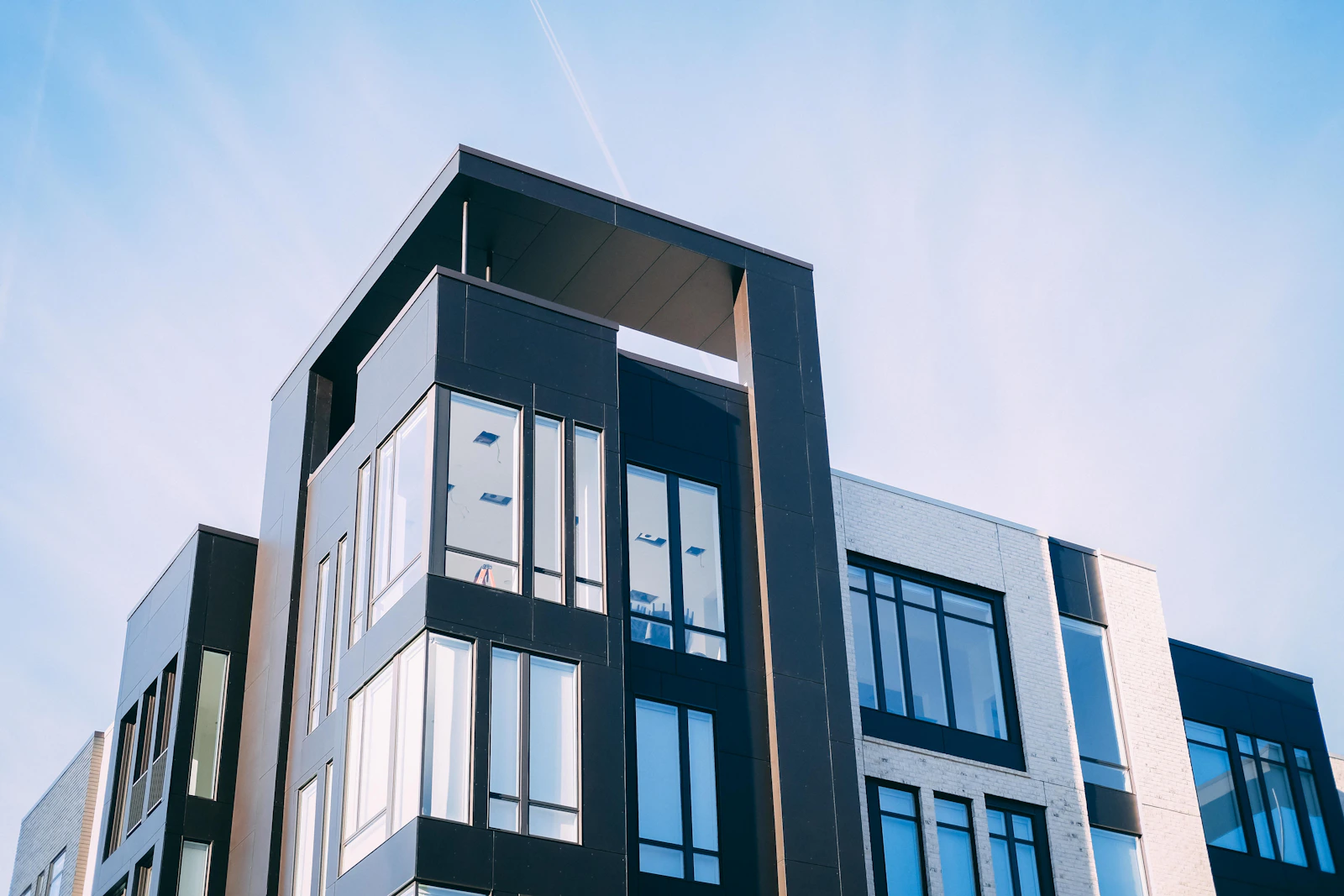
The Condo Facade Problem No One Wants to Talk About
Drive through Bonifacio Global City, Ortigas, or the emerging condo corridors of Cebu, Davao, and Iloilo — and you'll notice a quiet crisis unfolding on the skyline. Condominium towers built during the first wave of the Philippine property boom in the late 2000s and early 2010s are beginning to show their age. Paint is chalking. Exposed concrete is staining. What were once gleaming, marketable facades now broadcast their decades like a confession.
For condominium boards, homeowners associations, and property managers, this is more than an aesthetic inconvenience. In a market where a unit's resale value and rental yield are directly tied to the building's curb appeal, an aging exterior is a financial liability. And yet, the obvious solution — a full facade renovation — carries price tags and timelines that most condo communities simply cannot absorb. Scaffolding for months, structural disruption, noise complaints from residents, and capital expenditure that strains quarterly budgets. It feels like a problem without a proportionate solution.
The good news is that condo facade renovation no longer has to mean demolition and reconstruction. A new generation of spray-applied architectural coatings is giving property managers and condo boards a powerful middle path: genuine stone-textured finishes applied directly over existing substrates, with transformative visual results delivered in weeks.
Why Exterior Stone Coating Is Gaining Ground in the Philippines
The Philippine construction and property management sector has historically defaulted to two approaches for facade refresh: repainting (fast but cosmetically shallow) and full cladding replacement (thorough but prohibitively expensive). The gap between these two options is precisely where exterior stone coating in the Philippines is making its mark.
Spray-applied stone finish systems are engineered to bond to prepared concrete, block, and rendered surfaces — the substrate types that dominate Philippine condo construction. Unlike natural stone cladding, which requires significant load-bearing engineering and structural anchoring, these coatings add minimal weight to the facade. Unlike paint, they deliver genuine texture, depth, and the visual language of premium stone that resonates with buyers and tenants.
The climate case is equally compelling. Metro Manila's combination of intense UV radiation, monsoon-driven moisture cycles, and air pollution creates one of the most demanding environments for exterior finishes anywhere in Southeast Asia. Products engineered for UV stability and weather resistance aren't a luxury here — they're a baseline requirement. This is why the material specification, not just the visual outcome, matters so much when planning a building facade upgrade in the Philippine context.
How Spray-Applied Stone Coatings Actually WorkSurface Preparation: The Foundation of Longevity
The durability of any facade coating system begins not with the product itself, but with the substrate preparation that precedes application. For condo facade work, this typically involves high-pressure washing to remove biological growth, efflorescence, and loose material; crack repair and patching of spalled concrete; application of a penetrating primer suited to the existing surface condition; and in some cases, a base render coat to establish a consistent substrate profile.
This preparation phase is where experienced applicators earn their value. A spray-applied stone finish is only as good as the surface it adheres to. Shortcuts at this stage are the leading cause of premature delamination and performance failure — a critical point for condo boards evaluating contractor proposals.
The Application Process
Once the substrate is properly prepared and primed, the coating is applied using specialized spray equipment calibrated to the specific product and desired texture depth. Skilled applicators work in controlled passes, building the finish in layers that create the characteristic dimensionality of stone texture. Depending on the system and the surface area, a typical residential tower facade can be completed in a fraction of the time required for traditional cladding installation — often within two to four weeks for a mid-rise building, with no requirement to evacuate units or suspend building operations.
For condo communities planning Q4 2026 building improvements, this compressed timeline is operationally significant. Work can be phased across building elevations, scaffolding can be mobilized in sections, and the project can be completed with minimal disruption to residents — a consideration that condo boards weigh heavily when evaluating contractor proposals.
Liquid Granite: Stone Aesthetics at Facade Scale
Among the architectural coating systems suited to condominium facade upgrades, Liquid Granite represents one of the most versatile and visually impactful options available in the Philippine market. This spray-applied system is engineered to replicate the appearance of natural granite on vertical surfaces — delivering the depth, variation, and premium character of quarried stone without the structural demands or cost implications of actual stone cladding.
Liquid Granite is formulated for exterior performance. Its UV stability means the finish resists the color degradation that causes painted facades to look tired within a few years of application. Its weather resistance is designed for the punishing cycle of Philippine wet and dry seasons. And critically, its application to walls and facades only means it is purpose-built for precisely the vertical surface challenge that condo exterior upgrades present.
The visual range achievable with spray-applied stone systems is broader than many property managers initially expect. Granular textures can range from fine and refined to coarsely aggregate-rich, and color palettes can be calibrated to complement the building's existing architectural language or to signal a deliberate repositioning of the property's market identity. A condo tower that looked dated can, through thoughtful coating specification, be transformed into something that reads as contemporary and premium.
Explore the full range of exterior finish possibilities at TechStone's facade application gallery.
The Cost-Effectiveness Equation
The phrase architectural coating cost-effective gets used loosely in the construction industry. It's worth being specific about what cost-effectiveness actually means in the context of a condo facade upgrade.
Capital Cost Comparison
Natural stone cladding installed on a mid-rise condominium facade in Metro Manila — accounting for material, engineering, structural fixings, and skilled installation — typically runs at a significant premium per square meter. Full render-and-paint systems are cheaper upfront but require reapplication every three to five years in Philippine conditions, creating a recurring expenditure cycle. Spray-applied stone coatings sit at a capital cost point that is substantially below natural cladding, with a service life that, when properly applied and maintained, significantly outperforms conventional paint systems.
Operational Cost Considerations
For condo associations operating on annual maintenance budgets, the operational math matters as much as the initial capital outlay. A facade finish that requires repainting every four years carries a different total cost of ownership than one that holds its appearance for a decade or more. When condo boards evaluate proposals, they should be asking not just about the cost per square meter of application, but about the expected maintenance cycle, the warranty terms offered by the coating manufacturer, and the track record of the applicator in comparable Philippine projects.
Value Uplift
There is a less quantifiable but commercially real dimension to facade investment: its effect on unit values and rental rates. In a competitive condo market, building presentation is a genuine differentiator. Property managers consistently report that exterior refresh projects contribute to improved occupancy rates and support stronger pricing in both resale and rental markets. The facade is the building's first impression — and in real estate, first impressions carry compounding financial weight.
Opus: An Alternative Aesthetic for Modern Condo Exteriors
For condominium projects where the design intent favors a more contemporary, raw-material aesthetic over the classic warmth of granite, Opus offers a compelling alternative. This sintered sand and polished concrete-look coating system creates a natural stone aesthetic on exterior vertical surfaces that speaks directly to the current architectural direction of premium Philippine condo development.
Where Liquid Granite reads as richly textured and traditionally premium, Opus delivers a more refined, mineral quality — the kind of surface language that architects are specifying for projects that want to communicate modernity without coldness. Like Liquid Granite, Opus is suited to exterior walls and facades, making it an appropriate specification for condo buildings where the design brief calls for a more restrained, contemporary stone character.
The choice between these systems — and others in the architectural coating category — is ultimately a design and specification decision that benefits from early involvement of experienced coating consultants. TechStone's technical team regularly works with architects, property managers, and main contractors during the specification phase to ensure that the selected system matches both the aesthetic intent and the performance requirements of the project.
Planning Your Q4 2026 Facade Upgrade: Key ConsiderationsEngage Early
Condo boards planning facade work for late 2025 or 2026 should begin the specification and tendering process well ahead of the intended start date. Quality applicators in Metro Manila and major provincial cities are typically booked months in advance, and surface preparation assessments — which determine the true scope and cost of the project — take time to conduct properly.
Conduct a Proper Condition Assessment
Before specifying any coating system, commission a qualified assessment of the existing facade condition. This should cover concrete carbonation depth, presence of active cracks or structural movement, substrate moisture content, and the condition of any existing coatings or renders. This assessment drives the preparation specification, which in turn determines how the coating performs over its service life.
Specify Performance, Not Just Aesthetics
A coating specification for a Philippine exterior facade should always include UV resistance rating, water vapor permeability (breathability), adhesion strength to substrate, and minimum expected service life under local climate conditions. Coatings that perform beautifully in European test conditions can fail prematurely in the combination of tropical UV intensity and monsoon moisture cycling that Philippine facades must endure.
Work With Certified Applicators
The best coating system in the world underperforms when applied by an uncertified or inexperienced contractor. For condo projects, where the stakes include resident relations, body corporate liability, and long-term asset value, working with applicators who hold manufacturer certification and can demonstrate a portfolio of comparable completed projects is not optional — it's a risk management requirement.
Transforming the Skyline, One Facade at a Time
The condominium boom has defined the Philippine urban landscape for two decades. As the first generation of that boom ages, the challenge of maintaining and refreshing these buildings is becoming one of the defining property management questions of the next decade. Full renovation will always have its place — but for the vast majority of condo buildings that need a credible, durable, and visually compelling exterior transformation without the disruption and cost of structural work, spray-applied stone coating systems represent the most sophisticated answer currently available.
For architects, designers, and property professionals looking to explore what's possible for their specific project, TechStone's project portfolio offers a detailed look at completed facade upgrades across commercial and residential building types in the Philippines. The transformation is, in the most literal sense, visible from the street.