
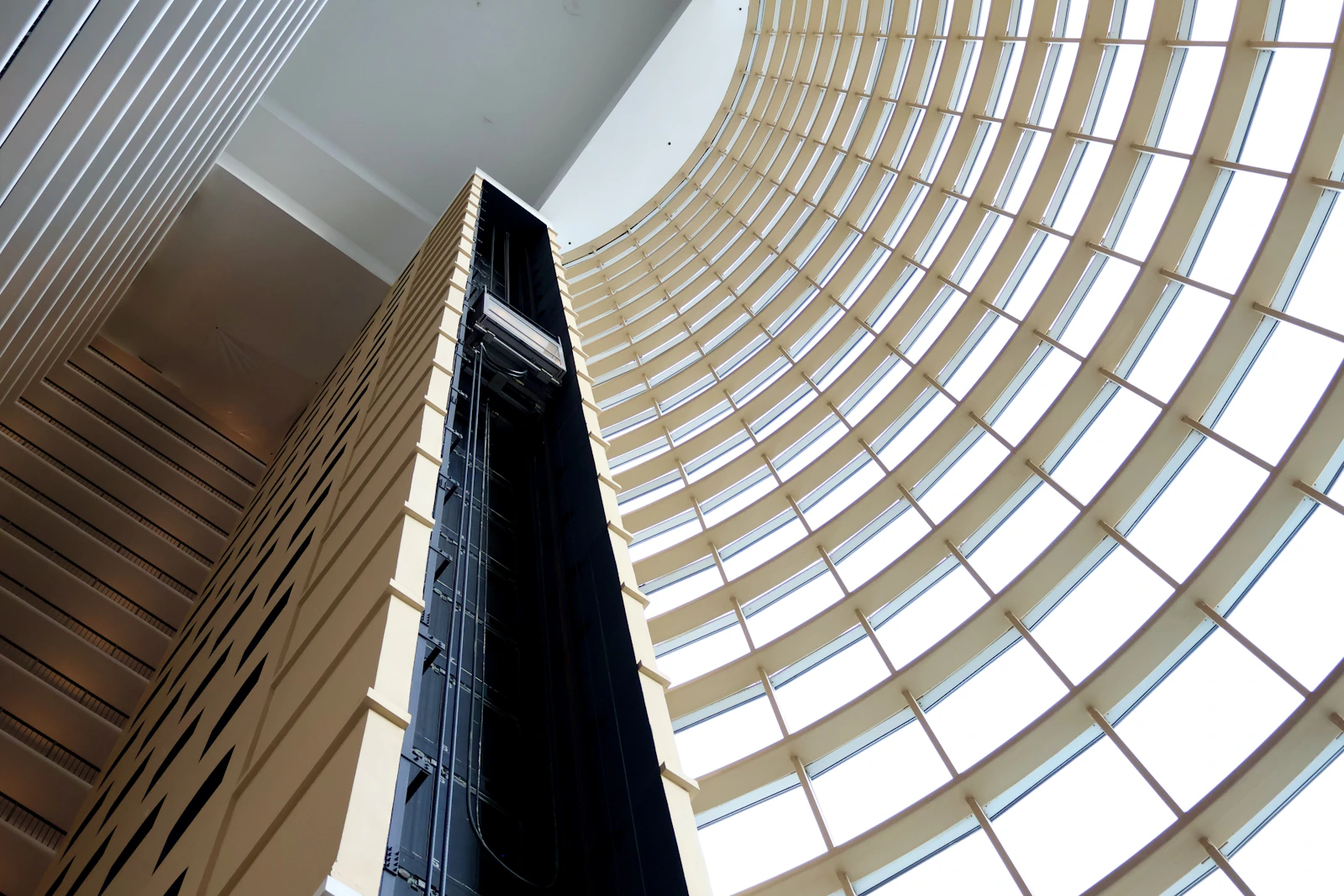
Why Atrium Flooring Design Deserves More Attention
The atrium is arguably the most loaded square meter in any commercial building. It is the first space guests experience, the visual anchor that orients every floor above it, and — in a high-traffic commercial property — one of the most physically punishing surfaces in the entire structure. Yet despite this outsized role, atrium flooring design in the Philippines has remained stubbornly conventional. Tiles. Polished concrete. The occasional marble slab. Safe choices that rarely match the architectural ambition of the spaces they occupy.
As we move into 2026, a growing number of architects, interior designers, and property developers are rethinking this default. Seamless commercial floors — applied as continuous coating systems rather than assembled from individual units — are emerging as the premium solution for atriums that need to perform as hard as they look. This shift is especially visible across the Philippines' booming hospitality, retail, and mixed-use sectors, where the pressure to deliver memorable, brand-consistent environments has never been greater.
This article explores why seamless coating systems are gaining ground in commercial atrium applications, what technical demands they must meet, and how to select the right system for your next high-traffic project.
The Problem With Traditional Atrium Flooring
To understand why seamless surfaces are gaining momentum, it helps to articulate what conventional flooring systems consistently fail to deliver in atrium environments.
Grout Lines Break the Visual Narrative
Tile — even large-format tile — introduces a grid of grout lines across the floor plane. In a standard room, this is barely noticeable. In a soaring, double- or triple-height atrium with sightlines from multiple balconies, those grout lines fragment what should be a unified visual statement. The floor becomes a background rather than an element of the design.
For luxury hotels, flagship retail environments, and corporate headquarters — property types where the atrium is a deliberate brand statement — this fragmentation is a real design liability.
Grout Is a Maintenance and Hygiene Problem
Beyond aesthetics, grout joints trap dirt, moisture, and microbial growth. In a high-footfall atrium where thousands of shoes cross the floor daily, maintenance teams face an ongoing battle to keep grout looking clean. In humid tropical climates like those across the Philippine archipelago, the problem compounds. Studies on commercial building operations consistently identify grouted flooring as one of the highest-maintenance surface types in terms of labor hours and chemical usage.
Rigid Systems Struggle With Large-Format Continuity
Large atriums involve substantial floor areas — sometimes 500 to 2,000 square meters or more in a major mall or hotel development. Tiled systems across these areas require careful expansion joint planning, precise substrate preparation, and skilled installation to avoid lippage and cracking over time. When the substrate moves — as concrete slabs inevitably do through thermal expansion and structural settlement — rigid tile systems are among the first to show the consequences.
Seamless Commercial Floors: What They Offer Atriums
Seamless coating systems address all three of the challenges above, and they do so while opening up a wider range of aesthetic possibilities than tile can deliver.
Visual Continuity at Scale
A seamless floor reads as a single, unbroken surface regardless of the area it covers. In an atrium context, this transforms the floor from a background element into a design feature. Color transitions, tonal gradients, and textural variations can all be designed into a seamless system without the interruption of grout or joints. The floor becomes legible as a composition — something that rewards the elevated sightlines that atrium architecture naturally creates.
Reduced Maintenance Burden
Without grout lines, cleaning is dramatically simplified. A seamless surface can be maintained with standard commercial floor care equipment — autoscrubbers, damp mopping, periodic resealing — without the labor-intensive grout scrubbing that tiled systems demand. For property managers operating large commercial buildings in the Philippines, where housekeeping labor costs and efficiency are constant operational concerns, this is a meaningful operational advantage.
Design Flexibility and Brand Customization
Seamless coating systems are inherently customizable. Color, texture, aggregate mix, and finish level can all be specified to align with a brand palette or a design concept. This is particularly valuable for hospitality developers who need their atrium to feel distinctly theirs — not a specification that could belong to any building on any street.
Microcement: The Benchmark for Seamless Atrium Flooring
Among the coating systems available for high-traffic commercial floors, Microcement has established itself as the benchmark product for atrium applications. Its combination of seamless application, design versatility, and proven durability in commercial environments makes it the logical specification for designers who need a floor to perform at the highest level.
TechStone's Microcement is a trowel-applied coating that creates a continuous, grout-free surface across both floors and walls. Available in Coarse and Fine textures, it can be calibrated to the specific aesthetic and performance requirements of each project. For atrium flooring, the Fine texture variant delivers the refined, polished surface character that luxury commercial environments demand, while the Coarse variant provides additional grip in transitional zones where footwear changes — entrances, lobby thresholds, and lift lobbies — are more likely to involve wet soles.
The material bonds directly to the substrate, creating a monolithic surface layer that moves with the building rather than resisting it. Applied at a thickness of just a few millimeters, it adds negligible load to the structural slab — an important consideration in retrofit projects where existing atriums are being refurbished rather than built from scratch.
Across the Philippines' commercial interior sector, Microcement has been specified in hotel lobbies, mall atriums, resort reception areas, and corporate headquarters — environments that share the same fundamental demand: a floor that looks exceptional on day one and continues to perform through years of intensive use.
Explore TechStone's full range of commercial floor applications to understand how seamless systems can be integrated across different zones within a single building.
Engineering for High-Traffic Performance
Aesthetic ambition means nothing if a floor coating fails under the physical demands of a busy atrium. Specifying seamless commercial floors for high-traffic coating systems requires a clear understanding of the performance criteria that matter.
Abrasion Resistance
Foot traffic in a major commercial atrium can exceed 20,000 to 50,000 passes per day in peak retail or hospitality environments. The surface coating must resist abrasive wear from shoe soles, cleaning equipment, and — in mixed-use atriums — wheeled luggage, delivery trolleys, and service carts. Properly applied and sealed Microcement systems achieve abrasion resistance ratings that are competitive with polished concrete and significantly more resilient than standard tile finishes, which are only as durable as their surface glaze.
Slip Resistance
In the Philippines, where tropical humidity means that footwear frequently arrives at building entrances carrying moisture, slip resistance is a non-negotiable performance criterion. Seamless floor coatings can be engineered to specific slip resistance ratings by adjusting aggregate size, surface texture, and topcoat specification. For atrium entrance zones — the highest-risk areas — a Coarse texture variant with an appropriate anti-slip sealer provides R11 or higher slip resistance ratings in line with commercial safety standards.
Chemical and Stain Resistance
Commercial atriums in hospitality and F&B-adjacent environments are exposed to spilled beverages, cleaning chemicals, and food residues. Seamless coating systems sealed with the correct topcoat formulation resist penetration from these substances, allowing stains to be wiped away before they can be absorbed into the substrate. This is a significant advantage over natural stone, which requires periodic resealing and remains vulnerable to acid-based staining from citrus or coffee.
Substrate Preparation Is Non-Negotiable
The performance of any seamless coating system is only as good as the substrate beneath it. For atrium applications — particularly large-format floors with complex geometries, drains, and transition details — thorough substrate preparation is the most critical phase of the installation. This means grinding, shot-blasting, or diamond-polishing the existing slab to achieve the required flatness and surface profile, addressing any cracks or delaminations, and applying the correct primer system before coating. Experienced applicators with a track record in large-format commercial installations are essential to achieving the finish quality that atrium environments demand.
Designing the Atrium Floor as a Brand Canvas
The most forward-thinking commercial projects in 2026 are treating the atrium floor not simply as a functional surface but as a brand canvas — a designed element that communicates identity and creates a sense of place from the moment a visitor enters.
Tonal Zoning Without Grout Lines
Seamless systems allow designers to create subtle tonal transitions that guide circulation, define zones, and reinforce spatial hierarchy — all without the visual interruption of grout or expansion joints. A hotel atrium might transition from a warmer, richer tone at the entrance threshold to a cooler, lighter palette toward the lift core, creating an intuitive sense of progression through the space.
Integrating Vertical and Horizontal Surfaces
Some of the most compelling atrium environments achieve a sense of material continuity between floor and wall surfaces. Where the design calls for feature walls or column claddings that echo the floor finish, Microcement can be applied vertically as well — creating a genuinely seamless aesthetic that wraps around architectural elements. For premium interior wall applications where a higher degree of reflectivity and polish is desired, Liquid Polish provides a Venetian plaster-style finish that complements a Microcement floor beautifully, adding depth and luminosity to atrium column faces and reception wall panels.
This kind of material coherence — where floor and wall surfaces speak the same design language — is increasingly characteristic of the best commercial interior projects coming out of the Philippines' hospitality and retail sectors.
Atrium Flooring for the Philippines' Commercial Landscape
The Philippines presents a specific set of conditions that shape flooring specifications for commercial atriums. High humidity, intense air-conditioning cycles, and the logistical challenges of construction in dense urban environments all influence material choices and installation methodology.
Seamless coating systems are particularly well-suited to the Philippine commercial context because they can be applied rapidly across large areas with minimal wet trades involvement, reducing construction program risk. They also perform reliably in air-conditioned environments where thermal cycling between indoor and outdoor temperatures creates the kind of dimensional movement that cracks rigid tile systems over time.
For developers and designers working across the Philippines' major commercial markets — Metro Manila, Cebu, Davao, and the emerging resort corridors of Palawan and Siargao — seamless atrium floors represent a specification that combines aesthetic ambition with operational intelligence.
Specifying With Confidence
If you are currently in the design development or specification phase for a commercial atrium project, the case for seamless commercial floors is compelling. The combination of visual impact, maintenance efficiency, design flexibility, and durability performance that coating systems like Microcement deliver is difficult to match with conventional flooring approaches.
The key to a successful outcome lies in three areas: selecting the right product and texture variant for the specific performance demands of the atrium; ensuring thorough substrate preparation by qualified applicators; and designing the finish in close collaboration with the coating supplier to achieve the color, texture, and sheen level that the architectural vision requires.
TechStone works directly with architects, interior designers, property developers, and contractors across the Philippines to develop specifications that meet the highest commercial standards. Explore the full range of seamless flooring applications or review completed commercial projects at techstone.com.ph to see how seamless surfaces perform across real-world high-traffic environments.
The atrium deserves better than tile. In 2026, the tools to deliver something genuinely extraordinary are available, proven, and ready to be specified.