
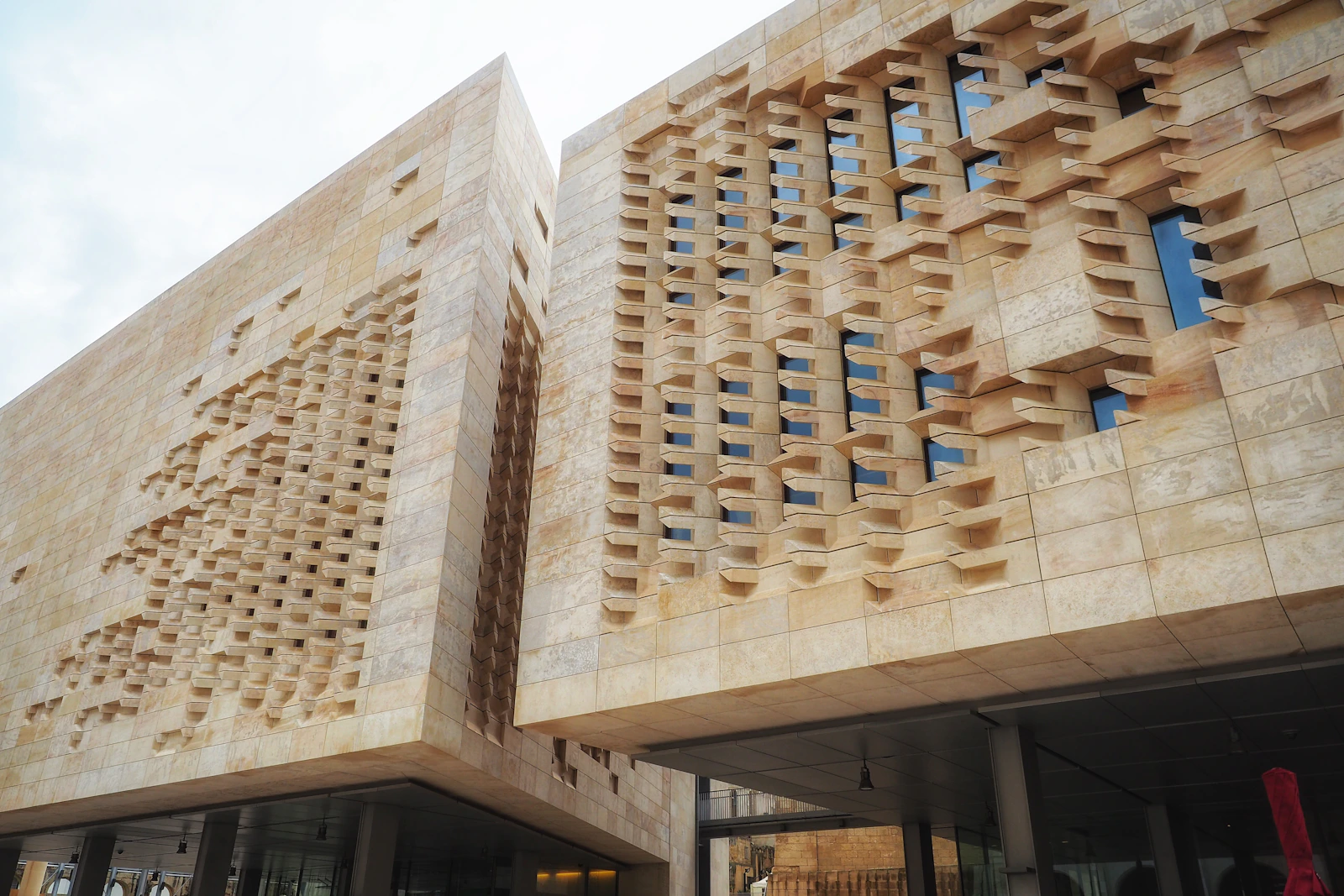
The Retail Revival Demand for Better-Looking Entrances
The Philippines' retail sector is experiencing a meaningful recovery heading into 2026. Foot traffic is climbing back toward pre-pandemic benchmarks, new mixed-use developments are opening across Metro Manila and key provincial cities, and consumer expectations for the physical shopping experience have never been higher. In this environment, a mall entrance is no longer just a door—it's a brand statement, a first impression, and a competitive differentiator.
The problem? Many shopping centers built in the early 2000s or late 1990s are showing their age. Facades look dated, entry portals feel institutional, and the once-premium stone cladding that lined grand entrances has cracked, stained, or simply fallen out of fashion. A full facade renovation—involving demolition, structural reinforcement, new cladding, and extended closure periods—can cost tens of millions of pesos and take months to complete. For an operating commercial property, that's simply not viable.
This is where modern mall facade coating technology is changing the conversation. Spray-applied and trowel-applied architectural coatings now make it possible to achieve a premium stone finish exterior on existing surfaces—faster, cheaper, and with a degree of design flexibility that traditional stone cladding simply cannot match.
Why Traditional Stone Cladding Is No Longer the Only Answer
Natural stone and precast concrete cladding have long been the go-to solution for premium commercial entrance design. They convey permanence, luxury, and material honesty. But they come with a set of constraints that make them increasingly impractical for existing buildings undergoing cosmetic upgrades:
- Structural load: Stone panels add significant dead load to a facade. Older buildings often require engineering assessments and reinforcement before new cladding can be applied.
- Installation complexity: Proper stone cladding requires anchor systems, waterproofing membranes, and skilled installation teams—all of which add time and cost.
- Lead times: Imported granite or marble panels can take 8–16 weeks to source, especially for large commercial volumes.
- Operational disruption: Scaffolding, dust, and noise during installation can affect tenant operations and customer experience for extended periods.
- Design rigidity: Once installed, stone cladding is essentially permanent. Rebranding or updating the aesthetic requires another full replacement cycle.
By contrast, high-performance architectural coatings applied directly over existing substrates can sidestep most of these constraints—without compromising on the visual outcome that property owners and their tenants demand.
Spray-Applied Stone Coatings: The Technology Behind the Aesthetic
Modern spray-applied stone coatings are a significant leap beyond the painted textured finishes of earlier decades. Today's products are engineered to replicate the visual depth, granular texture, and tonal variation of natural stone with a level of realism that surprises even experienced architects on first inspection.
The technology works by suspending mineral aggregates—silica, granite chips, quartz particles, and natural pigments—in a highly adhesive polymer binder. When sprayed onto a prepared vertical surface, the coating builds up in layers that mimic the crystalline structure of natural stone. The result is a surface with genuine tactile texture, UV-stable color, and weather resistance appropriate for the Philippine climate's combination of intense UV exposure, heavy monsoon rainfall, and high ambient humidity.
For facade renovation Philippines projects specifically, this matters enormously. A coating that looks premium on installation day but fades, chalks, or delaminate after one wet season is not a viable solution. The best products in this category are formulated to handle tropical conditions as a design baseline, not as an afterthought.
What This Means for Mall Entrance Projects
For a shopping center entrance makeover, the practical workflow looks something like this: the existing facade surface—whether it's existing paint, render, or even weathered precast—is cleaned, repaired where necessary, and primed. The stone coating is then spray-applied in controlled passes to achieve the desired texture and depth, typically over one to two days per facade section depending on scale. Finish coats and sealers follow. The result is a surface that reads as premium stone from street level, performs to commercial standards, and is ready for foot traffic within days rather than months.
A product like Liquid Granite from TechStone exemplifies this approach. Designed specifically for exterior vertical surfaces—walls and facades—it uses a spray-applied system to replicate the look and feel of natural granite on commercial building exteriors. The finish is UV-stable, weather-resistant, and available in a range of tonal palettes that can be matched to existing brand guidelines or used to introduce an entirely new visual identity for a mall entrance. For architects working on commercial entrance design projects where the budget doesn't allow for full stone replacement, it delivers a credible granite aesthetic at a fraction of the material and labor cost. Explore the full range of facade applications to understand how this performs across different building types.
Design Flexibility: The Argument Traditional Cladding Can't Win
Beyond cost and speed, there's a design argument for coatings that doesn't get enough attention: creative flexibility. Natural stone is a fixed material. You choose a stone type, a finish, and a format, and that's what you get. Architectural coatings open up a different kind of design conversation.
Color and Texture Customization
With spray-applied systems, color matching and texture calibration are achievable in ways that quarried stone simply cannot offer. A mall owner refreshing their entrance can choose from a palette of granite-inspired tones—warm beiges, cool greys, deep charcoals, earth-toned browns—and adjust texture coarseness to suit the architectural scale of the facade. A grand entrance portal might call for a bold, coarse-textured dark granite finish. A secondary entrance or colonnade might use a lighter, finer stone effect that feels more approachable.
This level of specification control is valuable not just aesthetically but strategically. As mall operators increasingly think about brand coherence across their properties—particularly those managing chains of malls across different cities—the ability to achieve consistent finishes across different buildings without being dependent on matching quarry batches is a real operational advantage.
Integrating Multiple Finish Zones
A sophisticated entrance design rarely relies on a single material. Stone facade panels are typically combined with glass, metal, lighting elements, and secondary wall surfaces. When refreshing an existing mall entrance, architects can use different coating systems to create material contrast without the logistical complexity of combining multiple trade packages.
For interior-facing entrance walls—lobby thresholds, feature walls framing the transition from exterior to interior—a polished plaster system like Liquid Polish can complement the stone exterior with a dramatically different but harmonious interior aesthetic. With its Venetian plaster-style, mirror-like reflective surface, it creates a premium interior moment that signals the transition from streetscape to retail environment. Used on interior walls in hotel lobbies and high-end retail interiors, it's equally at home framing a mall entrance lobby where the design brief calls for luxury without the cost of stone or marble cladding. This kind of interior-exterior material dialogue—stone-like outside, polished and luminous inside—is exactly the type of layered design thinking that elevates a commercial entrance from functional to memorable.
The Cost Economics: What Developers Actually Save
Let's be specific about the economics, because this is ultimately what drives decisions at the developer level. A conservative comparison between traditional granite cladding and a high-performance spray-applied stone coating on a typical mall entrance facade (say, 300–500 square meters of vertical surface area) generally reveals the following:
- Material cost: Imported granite cladding panels in the Philippines typically land at ₱3,500–₱6,000+ per square meter installed, depending on stone type and origin. Premium architectural coatings operate at a significantly lower cost per square meter while delivering comparable visual impact.
- Structural assessment costs: Often required for stone cladding additions; generally not required for coatings applied to structurally sound existing surfaces.
- Timeline: Stone cladding projects of this scale can run 8–16 weeks from design to completion. Coating-based approaches typically complete in 2–4 weeks, significantly reducing operational disruption and scaffolding rental costs.
- Future flexibility: Recoating or refreshing a coating finish is vastly cheaper than replacing stone panels when the time comes for the next upgrade cycle.
For developers managing multiple properties or working within tightly controlled capex budgets, these differences compound quickly. A portfolio of five mall properties, each with entrance facades due for refresh, represents a project where the choice of coating versus cladding can mean the difference between a program that gets funded and one that gets deferred.
What Architects and Specifiers Should Know Before Specifying
Moving from concept to specification on a mall facade coating project requires attention to a few critical factors that distinguish successful outcomes from disappointing ones.
Substrate Preparation Is Non-Negotiable
The single most common failure mode for any applied coating on an exterior facade is inadequate substrate preparation. Existing paint layers must be assessed for adhesion. Cracks, voids, and water ingress paths must be repaired before any coating is applied. A manufacturer's warranty is only as good as the surface it's applied to. Insist on proper preparation protocols and verify them on-site before coating work begins.
System Compatibility
Not all primer, base coat, and topcoat combinations are compatible, and mixing products from different manufacturers is a common source of adhesion and durability failures. Working with a supplier who provides a complete, tested system—rather than sourcing components piecemeal—is strongly advisable for commercial-scale exterior projects.
Maintenance Planning
Premium spray-applied stone coatings are durable, but they are not maintenance-free. High-traffic entrance zones accumulate pollution, biological growth, and surface soiling faster than upper facade areas. Specifying an appropriate sealer and establishing a maintenance schedule—typically an annual clean and periodic resealer application—protects the investment and keeps the entrance looking premium over a longer lifecycle.
To see how these systems have been applied across a range of commercial projects in the Philippines, the TechStone projects portfolio provides a useful reference for scale, texture, and finish outcomes across real-world applications.
A Practical Path Forward for 2026 Retail Upgrades
The recovery of the Philippine retail sector is creating a window of opportunity for property owners and developers to reinvest in the physical experience their assets deliver. Mall entrances are the highest-ROI touch point for this investment—they shape perception before a customer has even stepped inside, and they are the visual signature of a property's market positioning.
The good news is that achieving a premium stone finish exterior on an existing facade is no longer contingent on demolition budgets or extended construction timelines. Modern spray-applied stone coatings and architectural finish systems have closed the gap between what's aspirationally possible and what's practically achievable within a commercial upgrade budget.
For architects, interior designers, and developers working on facade renovation Philippines projects in 2026, the specification conversation has shifted. The question is no longer whether coatings can deliver premium results—it's which system best fits the design intent, substrate condition, and performance brief of the specific project at hand. Starting that conversation with a material supplier who understands both the technical and aesthetic dimensions of commercial facade design is the most productive first step.