
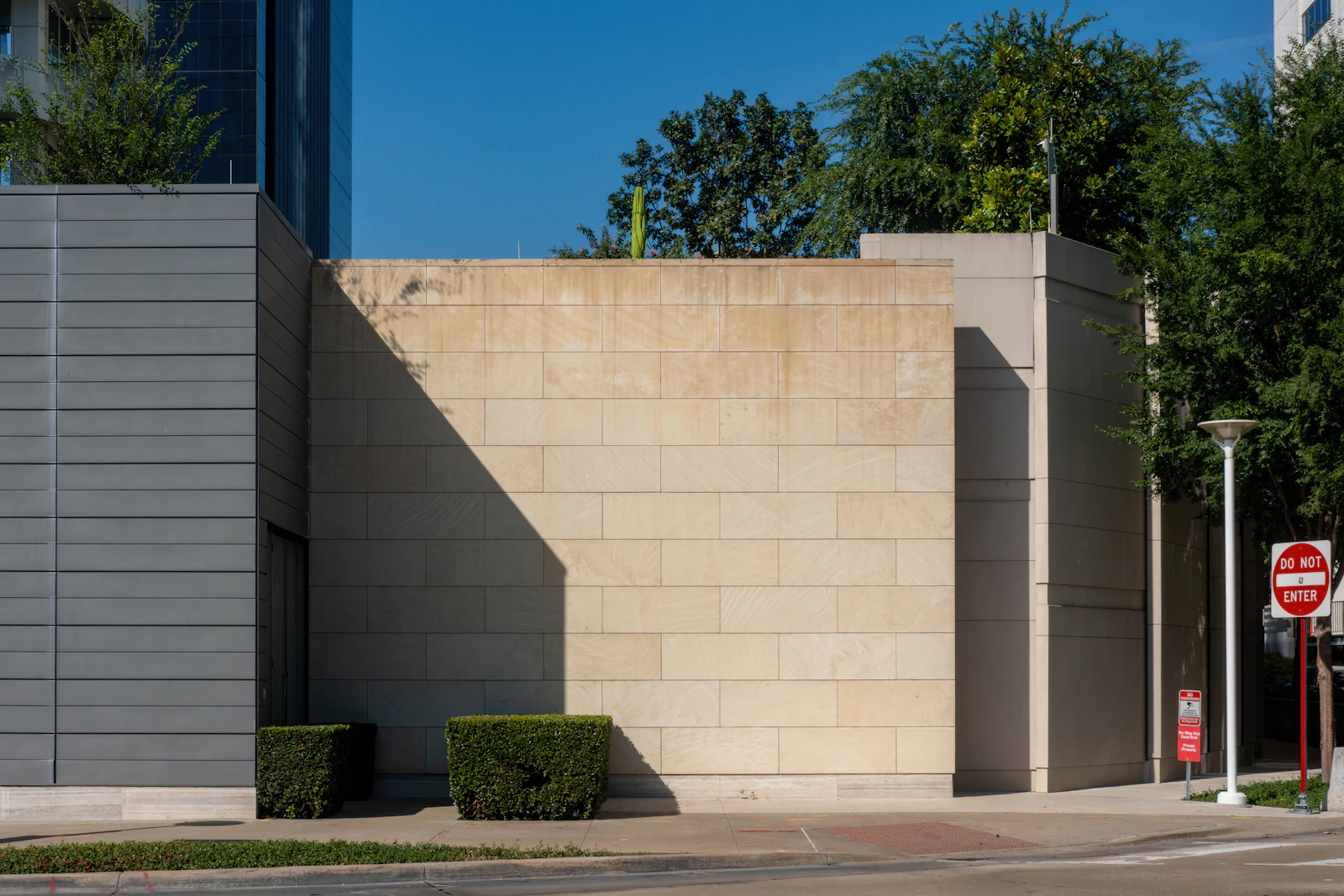
Why Boundary Wall Design Matters in Philippine Commercial Real Estate
In 2026, the Philippine commercial property landscape is more competitive than ever. From the dense corridors of Bonifacio Global City and Ortigas to the rapidly expanding business districts of Cebu, Davao, and Iloilo, developers and architects are under mounting pressure to differentiate their properties — not just on the inside, but from the street. The boundary wall, long treated as a purely functional afterthought, is having a moment.
Boundary wall design in the Philippines has historically defaulted to plain poured concrete or bare hollow-block construction — practical, yes, but a missed opportunity. For commercial properties where first impressions drive leasing decisions, foot traffic, and brand perception, the perimeter is prime real estate. A well-designed boundary wall signals quality before a visitor ever steps through the gate. A neglected one signals the opposite.
As architectural coating technology matures and project specifications grow more sophisticated, designers are now treating boundary walls as canvas — surfaces that can carry brand identity, respond to local context, and contribute meaningfully to a development's curb appeal and long-term asset value.
The Problem with Plain Concrete Perimeters
Concrete boundary walls dominate Philippine commercial developments for understandable reasons: the material is cheap, fast to construct, and structurally reliable. But bare concrete ages poorly in the Philippine climate. The combination of intense UV radiation, high humidity, seasonal typhoons, and urban pollution accelerates surface degradation — concrete walls effloresce, discolor, crack, and absorb algae and moss growth within just a few years of construction.
Beyond weathering, plain concrete offers nothing in terms of design language. For hotels, resorts, mixed-use developments, and commercial campuses where brand identity is carefully cultivated on every interior surface, stepping outside to face a grey hollow-block perimeter feels jarring — a disconnect between the premium positioning inside and the utilitarian exterior that greets potential guests, tenants, and customers on arrival.
The architectural community is increasingly aware of this gap. According to research from the Urban Land Institute, perimeter and facade quality ranks among the top five factors influencing commercial property lease rates and asset valuation in Southeast Asian markets. Investing in boundary wall finishes is not cosmetic — it is strategic.
Architectural Coatings as Boundary Wall Solutions
The shift from bare concrete to finished, coated boundary walls is being driven by a new generation of architectural coating systems that are purpose-built for exterior vertical surfaces. These systems offer something that paint alone cannot: genuine textural depth, natural material aesthetics, and the durability to survive Philippine weather cycles without constant maintenance.
For architects and developers specifying boundary walls across commercial projects, two product families stand out as the workhorses of modern perimeter design.
Replicating Natural Stone with Spray-Applied Systems
One of the most impactful transformations available for a commercial boundary wall is the application of a stone-effect coating system. Liquid Granite is a spray-applied, pattern-coated stone finish that replicates the appearance of natural granite directly on vertical surfaces. For boundary walls, this is a compelling proposition: the visual authority of natural stone — with its depth, variation, and premium material associations — at a fraction of the cost and weight of stone cladding, and with none of the structural reinforcement requirements.
Liquid Granite is UV-stable and weather-resistant, making it well-suited to Philippine exterior conditions. On a hotel resort perimeter wall, a Liquid Granite finish in a warm beige or grey granite palette reads as premium from the street, immediately elevating the perceived quality of the development before a visitor approaches the entrance. On commercial campus boundary walls, consistent stone-effect cladding creates a cohesive branded perimeter that unifies the property across hundreds of linear meters.
The spray application process also makes Liquid Granite efficient to apply at scale — a meaningful practical advantage on long commercial boundary walls where labor efficiency directly impacts project economics.
The Sintered Stone and Polished Concrete Aesthetic
For developments targeting a more contemporary architectural language — the clean, minimalist aesthetic associated with boutique hotels, design-forward office campuses, and upscale retail — Opus offers a compelling alternative. Opus is a sintered sand and polished concrete-look coating designed for exterior vertical surfaces. It brings the refined, natural-stone aesthetic of polished concrete or sintered stone to building facades and boundary walls without the weight, cost, or lead time of slab materials.
On boundary walls, Opus creates surfaces with genuine tonal depth and subtle texture variation — the kind of material honesty that resonates with contemporary architectural sensibilities. A mid-rise condominium boundary wall finished in Opus reads as considered design rather than construction necessity. Combined with strategic lighting, planting, and signage integration, an Opus-finished perimeter wall becomes an architectural feature in its own right.
Opus performs best on exterior surfaces and is an ideal specification for facade and exterior wall applications in Philippine commercial developments, where the distinction between a boundary wall and a building facade is increasingly blurred by design intent.
Designing Boundary Walls That Work Harder
The most successful contemporary boundary wall designs go beyond surface finish — they integrate the perimeter wall into the overall architectural narrative of the development. Here are the principles that Philippine architects and developers are applying in 2026.
Material Continuity Between Facade and Perimeter
Leading developments are specifying the same coating system on both the main building facade and the boundary wall, creating material continuity across the entire property footprint. When the boundary wall, gatehouse, building podium, and tower facade share the same stone-effect or polished concrete finish, the development reads as a unified, intentional design rather than a collection of separate elements. This continuity is particularly powerful for resort and hotel properties where the perimeter wall is a guest's first physical encounter with the brand.
Texture and Tone Zoning
Not all boundary wall segments need to be identical. Sophisticated perimeter designs use texture and tone variations to create rhythm along long stretches of wall — alternating between smoother and more textural finishes, or shifting between lighter and darker tonal ranges, to break visual monotony while maintaining material coherence. Coating systems like Liquid Granite and Opus offer sufficient palette and texture variation to support this kind of zoning without introducing multiple product systems or complicating the specification.
Integration with Landscaping and Lighting
Boundary walls designed in isolation rarely achieve their full potential. The most effective perimeter solutions are conceived as part of an integrated landscape and lighting strategy. Vertical planting systems, ground-level uplighting, recessed LED strips at the wall cap, and integrated signage panels all interact with the wall surface — and a textured, tonal coating finish responds far more dynamically to light and planting than flat painted concrete. When warm uplighting grazes across the aggregate texture of a Liquid Granite finish, it creates the kind of atmospheric, premium street presence that becomes a development's visual signature.
Climate-Responsive Specification
Philippine conditions demand exterior finishes that perform over time without constant remediation. UV stability is non-negotiable — finishes that fade, chalk, or discolor under intense tropical sun undermine the investment within a few seasons. Weather resistance against driving rain and moisture penetration is equally critical, particularly in typhoon-exposed coastal and regional locations. Specifying purpose-built exterior coating systems designed for these conditions — rather than adapting interior products or relying on paint — is the foundation of durable, low-maintenance boundary wall design.
Business Case: Why Developers Are Investing in Boundary Wall Finishes
The investment conversation around boundary wall finishes has shifted meaningfully. Philippine property developers who have upgraded their perimeter specifications report several tangible returns.
Faster pre-leasing and pre-selling: In mixed-use and condominium developments, units facing or visible from a well-finished perimeter consistently attract stronger early interest. The quality signal travels from the street to the buyer's perception of the entire development.
Reduced lifecycle maintenance costs: Premium exterior coating systems applied correctly over properly prepared substrates significantly outlast paint systems in Philippine conditions. The reduction in repainting cycles over a 10-year asset holding period often offsets the initial coating premium by a substantial margin.
Brand alignment for hospitality clients: For hotel and resort operators, the boundary wall is brand real estate. A perimeter wall that fails to communicate the property's positioning — whether luxury, boutique, business, or lifestyle — is a missed branding touchpoint at the first moment of guest engagement.
Compliance and community relations: As local government units across Metro Manila and provincial centers tighten aesthetic guidelines for commercial developments, investing in quality boundary wall finishes positions developers ahead of potential regulatory pressure rather than behind it.
Specifying Boundary Wall Coatings: What Architects Need to Know
For architects and designers working through boundary wall specifications on active Philippine commercial projects, a few practical considerations shape product selection and application planning.
Substrate preparation is foundational. Spray-applied and trowel-applied coating systems perform only as well as the substrate beneath them. New concrete and hollow-block walls should be allowed to cure fully, treated for efflorescence, and primed appropriately before any architectural coating system is applied. Skipping or abbreviating this stage is the most common cause of premature coating failure in Philippine exterior projects.
Scale drives method. Long boundary walls favor spray-applied systems for efficiency and coverage consistency. Liquid Granite's spray application is well-suited to high linear-meter projects. For feature sections, entrance walls, or gatehouse elements where tighter control and finish refinement are priorities, trowel-applied systems offer greater flexibility.
Color and tone selection for tropical light. The intense, high-angle light of the Philippine sun reads color and tone very differently from the temperate European contexts in which many coating systems originate. Natural stone palettes — warm greys, beige tones, earthy ochres — tend to perform well under tropical light conditions, avoiding the washed-out effect that can afflict very light finishes and the heat-absorption issues associated with very dark ones.
For a curated overview of how leading Philippine commercial projects are specifying exterior wall and facade finishes, the TechStone project portfolio offers relevant reference material across hospitality, retail, and mixed-use typologies.
The Boundary Wall as Brand Asset
Philippine commercial real estate in 2026 is defined by intensifying competition for tenants, guests, buyers, and community goodwill. In this environment, every surface counts — and the boundary wall, for too long dismissed as a construction necessity, is emerging as one of the most cost-effective brand and value investments available to developers and property owners.
The tools to make that transformation are available, proven, and increasingly well-understood by the architectural community. Moving beyond plain concrete is not an aspiration — it is a specification decision. And for the commercial developments that get it right, the returns are measured in first impressions, asset values, and the durable visual presence that defines a premium address.